Treading Lightly
Treading Lightly

Earth Day

In honor of Earth Day I wanted to give some quick, easy tips to minimize our impacts and celebrate today:

1. Take a shorter shower or go without for a day
2. Turn off the water while brushing your teeth or washing your hands
3. Challenge yourself to go without buying or throwing out any plastic
4. Use a reusable water bottle or coffee mug
5. Bring your own lunch
6. Walk, ride, take public transportation, or carpool to where you are going
7. Turn off the lights and only use what you need
8. Turn off the television, computer, and other electronics and instead spend some time with friends and family, read a book, or go outside
9. Eat local food and vegetables for a delicious, earth and human friendly meal
10. Count the things you throw away today or see if you can go all day without needing to put anything in the trash (not including recycling or compost)
To see what Earth Day events are happening near you, check out the EPA, Earth Day, or your local newspaper.
If you would like to know more about the history of Earth Day and how it all got started, check out EarthDay.org or American Experience: Earth Days by PBS (do not be afraid of the PBS, it is an interesting film).

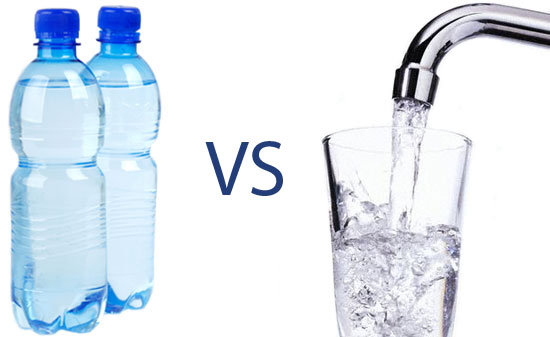
Bottled Water vs. Tap Water


Bottled Water vs. Tap Water: The Facts

Water bottle companies are not required to disclose where their water comes from, how it was treated or what contaminants it may contain (including E Coli. and other dangerous substances), or to disclose their test results.
In taste tests people often cannot tell the difference between bottled or tap, or they prefer their tap water.
The price of bottled water is up to 10,000 times more expensive than tap water.
Americans consume 8.6 billion gallons of bottled water per year, instead of drinking our cleaner and cheaper tap water.
40% of all bottled water is taken from municipal water sources (tap water).
22% of tested bottled water brands contained chemical contaminants at levels above strict state health limits.
Plastic is not easily recycled and it does not break down in landfills. Once we make it, it will outlive us for 1000’s of years.
17 million barrels of oil are used in the production of water bottles every year, this is equivalent to enough fuel for 1 million cares for a year.
It takes 3 times the amount of water to produce the bottle as it does to fill it. In other words, when you buy 1 liter of water, you are really consuming 4 liters, but you only get to drink 1.
Only 1 in 5 water bottles are recycled! The other 4 end up in landfills and in our Oceans (especially in the ocean gyres).
All plastic water bottles leach synthetic chemicals into the water to some degree.
Bottled water companies often hurt the communities that they are taking the water from by buying all of their local water and forcing them to either pay higher prices or drill their own wells.

What can we do?

Bring back public water fountains, drink from the tap, use reusable bottles, and help ban bottles in your city, county, and state.
Don’t like the taste of your local water? Filtering your water at home and drinking out of glasses or a re-usable water bottle are a great way to get the taste you want while saving money and resources.

The Story of Bottled Water

In honor of sustainability week and Earth Day I wanted to post this incredible video by Annie Leonard, The Story Of Bottled Water, about about the benefits of drinking tap instead of bottled water.

Check back tomorrow for some more thoughts about bottled vs. tap water!

Low Carbon Diet

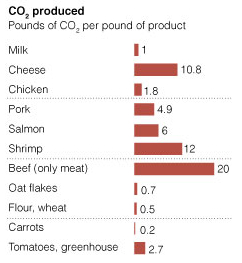
It’s no secret these days that animal products, including meat and dairy, have large carbon footprints in comparison to vegetables and other food products. However, what never ceases to amaze me is how much meat Americans consume. Americans have one of the highest rates of meat consumption in the world. It is not uncommon for many of us to eat meat with every meal.

Chart courtesy of American Prospect

This past week Santa Clara University’s dining commons, which are run by Bon Appetit Management Company, decided to do a low carbon diet day to help bring awareness to their future plans of decreasing meals with meat on Fridays. Oddly every single main dish or special had meat in it. What carbon calculator were they using?

Shockingly, if Americans went vegetarian for one day, the US would prevent 1.2 million tons of carbon emissions according the New York University Polytechnic Institute.

Decreasing our consumption of carbon heavy foods can massively affect our carbon emissions. Switching to a vegetarian diet can save more carbon emissions than driving a hybrid vehicle! A vegetarian diet saves 5040 pounds of CO2 per year and a hybrid saves 5000 pounds of CO2 per year according to PlanetGreen.com.

As Earth Day approaches I am not demanding all humans go vegan, or even vegetarian. Instead, I ask that we consider what we eat and take the challenge of reducing meat to one meal a day, meatless Mondays, meatless weekdays, meatless May, or meatless everyday.

Lemon Bundt Cake

I love lemon. I will choose a lemon dessert or dish over anything else, including chocolate. Right now our tiny tree at my family’s home is bursting with delicious Meyer lemons, which means I am baking them into all of my favorite deserts as well as trying a few new ones.

After collecting a few ripe lemons from the backyard I decided to make a Meyer lemon bundt cake that my mom had found. I got most of the recipe from a video that America’s Test Kitchen had published, but they refuse to give the full recipe and instead insist that you pay for it. As a broke college student I decided to get crafty, and I was able to find the full recipe on a site that was nice enough to just let you enjoy this zingy, flavorful cake.

Ingredients:
3 lemons (depending on size and tartness of lemon), zested and juiced for 3 tablespoons of juice and as much zest as possible
3 cups unbleached all-purpose flour
1 teaspoon baking powder
1/2 teaspoon baking soda
1 teaspoon table salt
1 teaspoon vanilla extract
3/4 cup low-fat buttermilk
3 eggs + 1 egg yoke
18 tablespoons butter (2 1/4 sticks)
2 cups sugar
and as always, local and organic are best!
One nice thing about making a cake is that there are so few ingredients. It blows me away that people buy packaged cakes. It only takes a few more minutes to make a cake completely from scratch. Not to mention that mixing your ingredients at home means it has less packaging, fewer chemicals, and you choose your exact ingredients and where they came from.
The last time I made a bundt cake I forgot to prep the pan. It was a disaster. I spent forever trying to pry the poor thing out and I ended up having to pull it out in mangled pieces. After that experience it always comes pretty quickly to me that I always need to grease the pan. America’s Test Kitchen had a great little tip to melt one tablespoon of butter and mix it with one tablespoon of flour before using a brush to coat the inside of the pan. It was quick and I have never had a cake come out so smoothly or perfectly.
To make this cake as delicious as possible it is glazed twice. Once right out of the pan so the heat of the cake melts the glaze into it and again an hour later once the cake has cooled more to give it the bright white glaze we all love.

Although this cake is by no means healthy, it is nice to indulge every once in a while with a tasty treat. This cake is great for parties or just to share with family, friends, and people in your dorm (especially if you are worried you might eat it all yourself).

Wasteland

This week instead of doing the piles of homework that was assigned to me, I ended up watching Wasteland, which is a documentary about the world’s largest landfill in Rio de Janeiro. Artist Vik Muniz spent two years working with the local garbage pickers who live off the little money they make sorting through mountains of waste to remove the recyclable objects. Muniz hired the pickers to help create stunning portraits of themselves out the materials they work with every day, trash. This film was an incredible look into how much of the world lives. It also made me consider where my garbage goes when I put it out on the curb every week.

Reusable Produce Bags

every time i go to the grocery store or the farmers market i have an internal battle over which is worse- wasting a plastic bag to protect my groceries on the way home and in the fridge or risking contracting some weird disease from the basket or check out counter. when i do choose to use a plastic bag i try to keep it for as long as possible and reuse it. i have looked around online for good reusable produce bags a few times, but i have never found anything i like. i need bags that i can keep fruit and vegetables in the fridge with so they do not get dried out, and most bags are either cotton or mesh which do not keep in moisture.

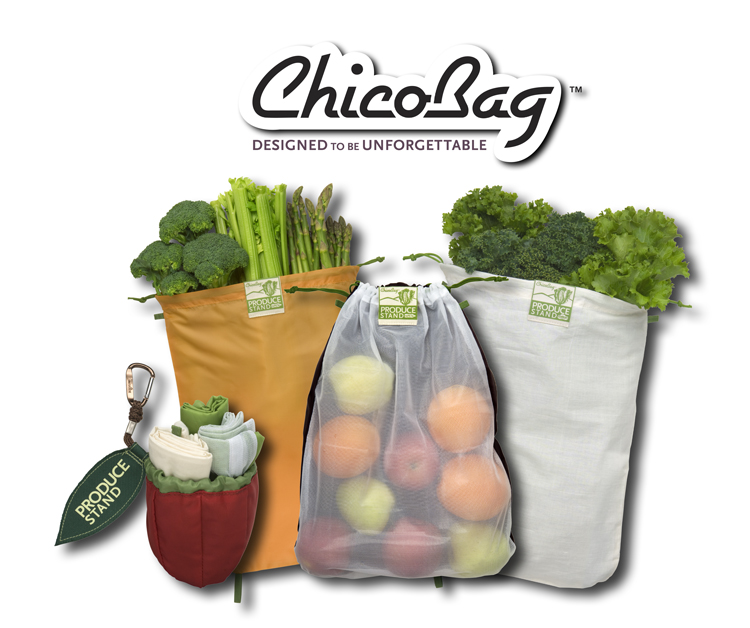
i am happy to announce that i have found them, the perfect bags!
all of the produce bags are made from recycled plastic or hemp. although i cringe any time i hear the word plastic, these are reusing plastic that has already been used instead of creating new materials, and they will last me the rest of my life. these bags are washable, reusable, and perfect for keeping my produce fresh in the fridge. not to mention they come in a cute pouch that i can clip to my bag so i can’t forget them.

whole wheat apple scones

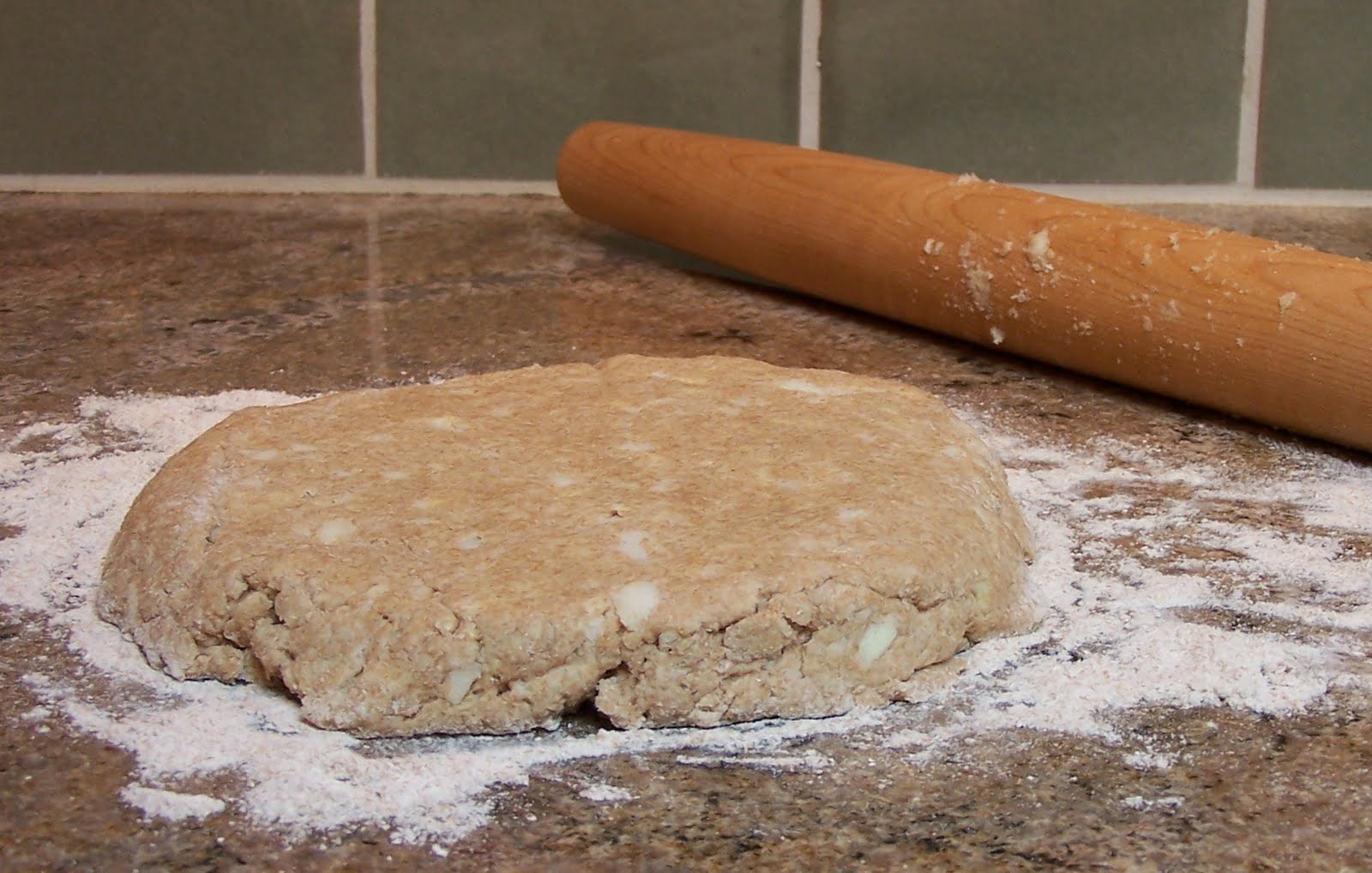
my brother has been lusting after scones for months now. i see him at least once a week and each time he brings up scones more than once. the problem with this is that i did not start out wanting scones, but the more he mentioned them, the more i wanted them too. i finally gave in and made us some scones.

now i know what you are thinking- didn’t you say you were going to learn to cook? i promise i will, but for now i will share with you my love for baking.
as far as ingredients go, this recipe was super easy:
1/2 cup of fresh fruit (the recipe asked for pear, but because it’s not in season and i had a locally grown apple, i improvised)
1 3/4 cups whole-wheat flour, plus slightly more for rolling
1 tablespoon plus 1/2 a teaspoon baking powder
1/4 granulated sugar
1/2 teaspoon kosher salt
6 tablespoons chilled unsalted butter
1 cup heavy cream
1 tablespoon demerara sugar (or large granule sugar)
apparently my spatial awareness was not so great… oh well
let me just say that these were thoroughly taste tested! i ate two before i even had them on the cooling rack. now i doubt anyone could say that any scone is healthy, but the upside to these is that they are whole wheat, they can be made with local ingredients, and they are quick and tasty. all my brother and i have to say is “delicious.”