Treading Lightly
Treading Lightly

Oryx and Crake

It’s rare for an assigned reading to be interesting, let alone a great read. Although Margaret Atwood’s “Oryx and Crake” is a depressing novel featuring a dystopian future, it is still one of the best books I have read so far this year.

Image courtesy of Book Cover Archive

Oryx and Crake opens with Snowman, who might be the last human on Earth. Throughout the novel Snowman struggles to survive in the post apocalyptic world, and he slowly reveals what his life was like when he was still Jimmy, before he was on his own.

The book is most likely the weirdest book I have ever read. Atwood creates a world full of hybrid animals and examples of humans’ creations. My favorite animal in the book is the rakunk, a mix of a raccoon and a skunk.

Oryx and Crake is an evocative view into a possible version of our future. Although it’s not strictly environmentally focused, it’s an interesting, thought provoking read. I would highly recommend it to anyone who enjoys dystopian futures, is looking for a new look at our world, or just loves reading.

The legacy of Ansel Adams

Yesterday was Ansel Adams’ 110 birthday. Adams’ photos have taught many people about nature and given them a true appreciation for the stunning, majestic world we live in. Do you have a particular favorite?

Gas mileage musings

I have not had to get gas in almost two months. That is probably the longest I have ever been able to go without filling up. Normally I have to get gas every two weeks, so this change of pace has been incredibly pleasant. For every gallon of gas burned, 20 pounds of carbon dioxide are released into the atmosphere. By my math I have prevented at least 840 pounds of carbon dioxide emissions!


So what have I done differently? Plain and simple, I stopped driving so much. I have only driven to the gym or to get groceries, which means I am driving at most 25 miles per week. The main thing I cut out were my 100 mile roundtrip drives home, which was the majority of my driving.


Do I think that everyone can drastically cut the miles they drive? No. But that doesn’t mean that people don’t have trips they could use alternative transportation for or trips they don’t need to take at all. Think about how many times you will drive somewhere that is only 1-2 miles away from your house. What if instead you decided to walk or ride your bike?

Image courtesy of envision it media

I am constantly baffled by how many people will drive to “class” from their houses near campus. Some people will drive less than 1/4 of a mile to campus, and end up parking so far away that they walk just as far as if they had just walked and left the car at home. 

Image courtesy of Rachel Wood 

Why are we so attached to our cars? This week take the time to be aware of where you are driving and challenge yourself to take some of those trips by bike, train, bus, or not at all. Also, don’t forget about carpooling places! For more tips on how to save gas, check out this site (warning, the site is sponsored by a rubber manufacturer. Many of their ideas are great, but just keep that in mind). Here as well.


How many miles can you shave off?

Airplane agitation

It seems like there are pockets of civilization that are completely resistant to sustainable efforts. One of the prime examples of this is the airline industry.

On my way to Los Angeles today I was yet again alarmed by the amount of waste not only created by the airports, but the individual airline flights as well. 

In the airport every vender hands out plastic cups, straws and other useless packaging when sustainable alternatives are readily available. On the airplanes themselves they use plastic cups to give people drinks. But to fill these cups they use single or double serving items that are already individually packaged in cans or bottles. They usually give the passenger both the plastic cup they poured a portion of the drink into as well as the bottle or can with the rest of the item. Why bother? Why not just give each passenger the item in its original packaging?

Then they give individual serving size peanuts (or death nuts for everyone allergic to them, including me) that only include at most 10 peanuts. At the end of each flight the amount of waste wrapped in their large plastic trash bags is truly astounding.

Adorable Valentines

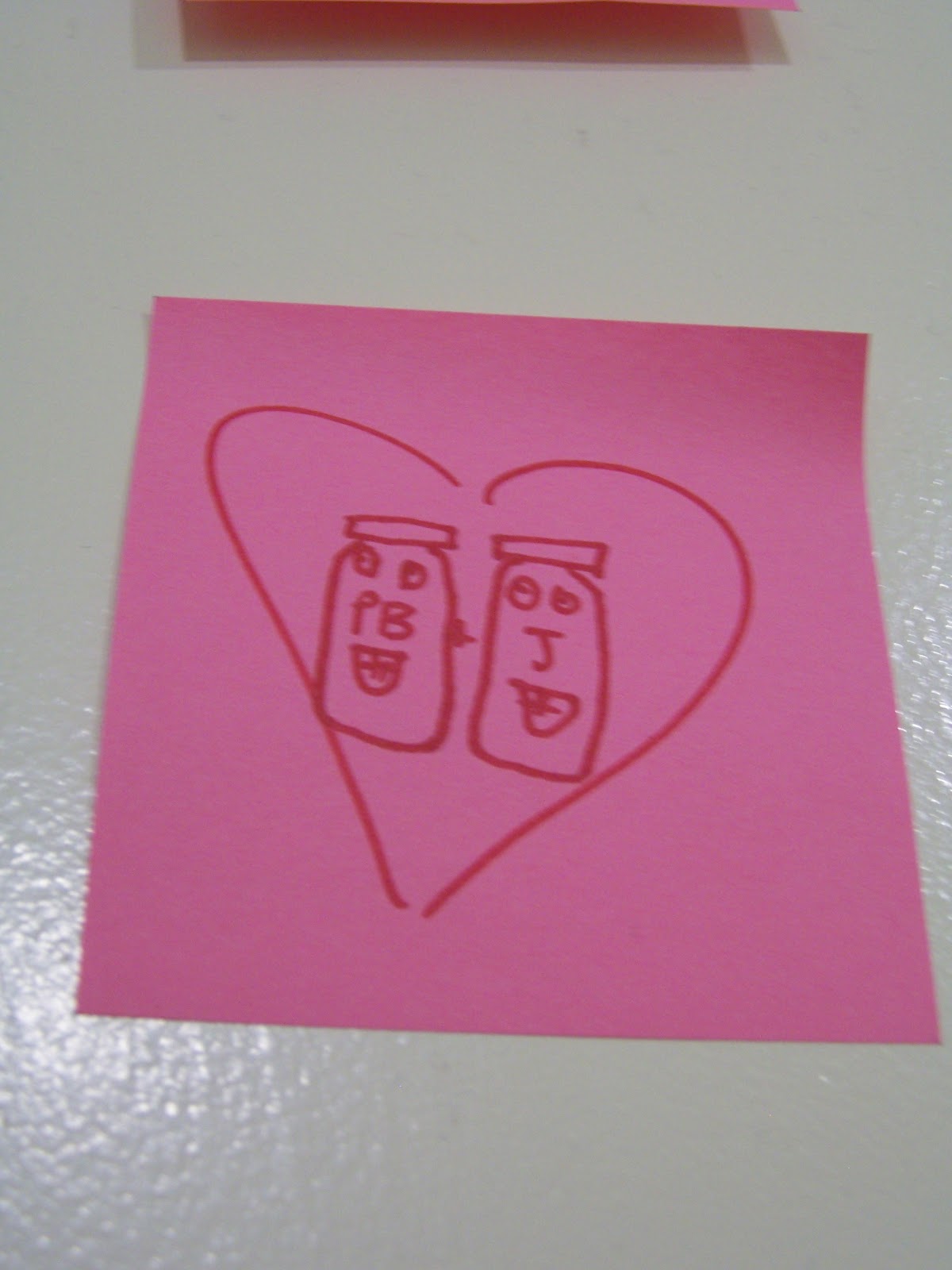
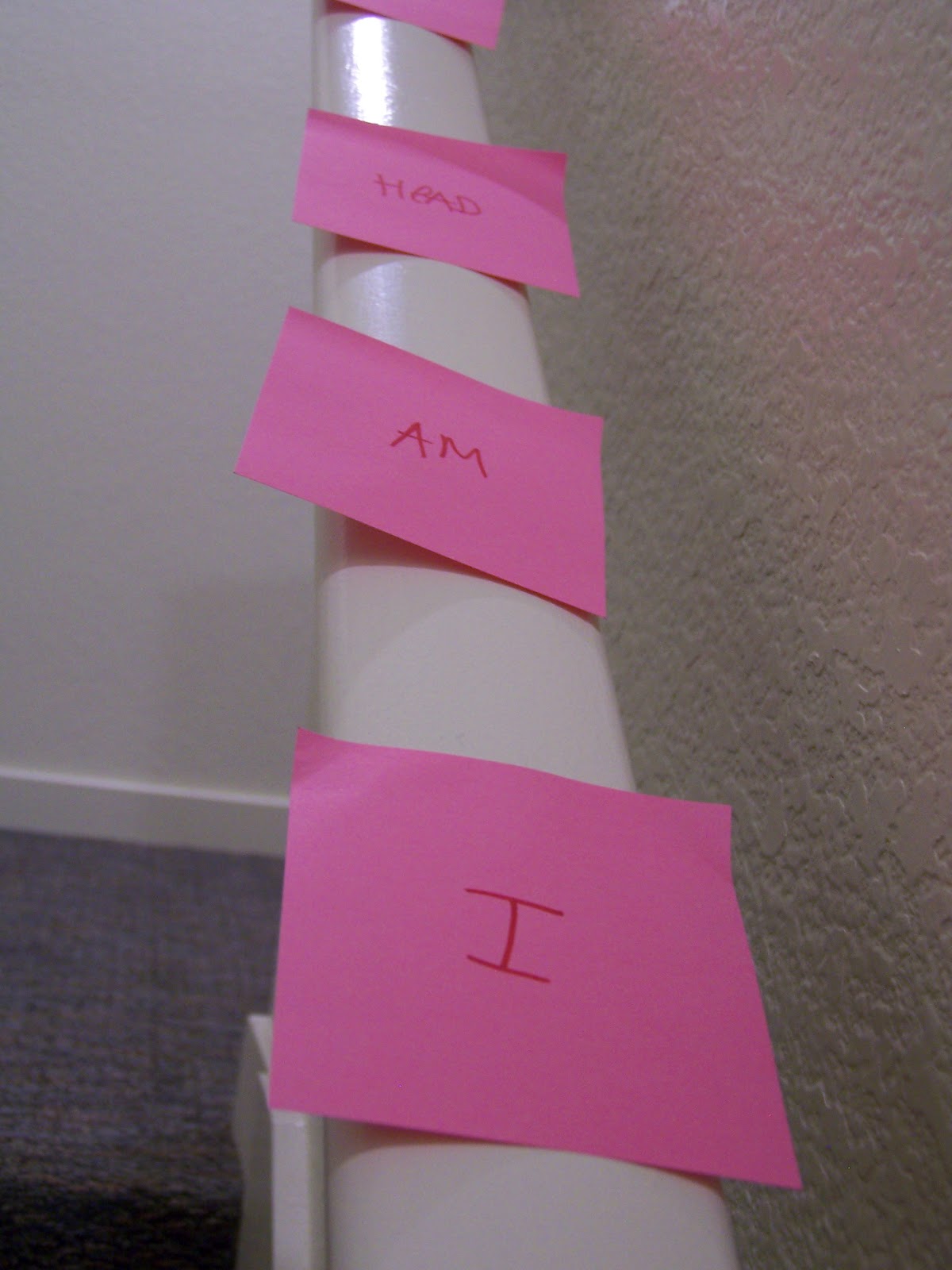
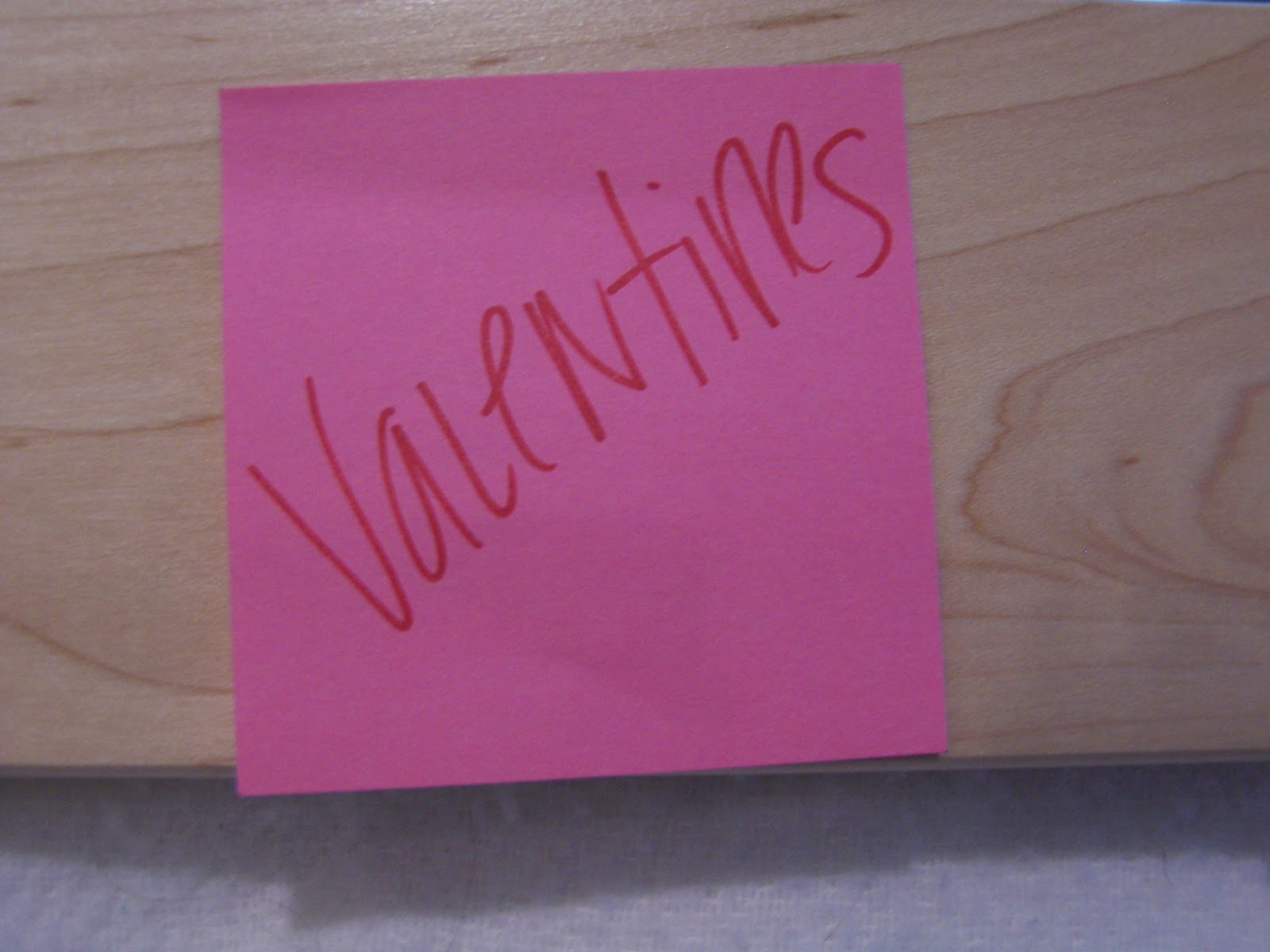
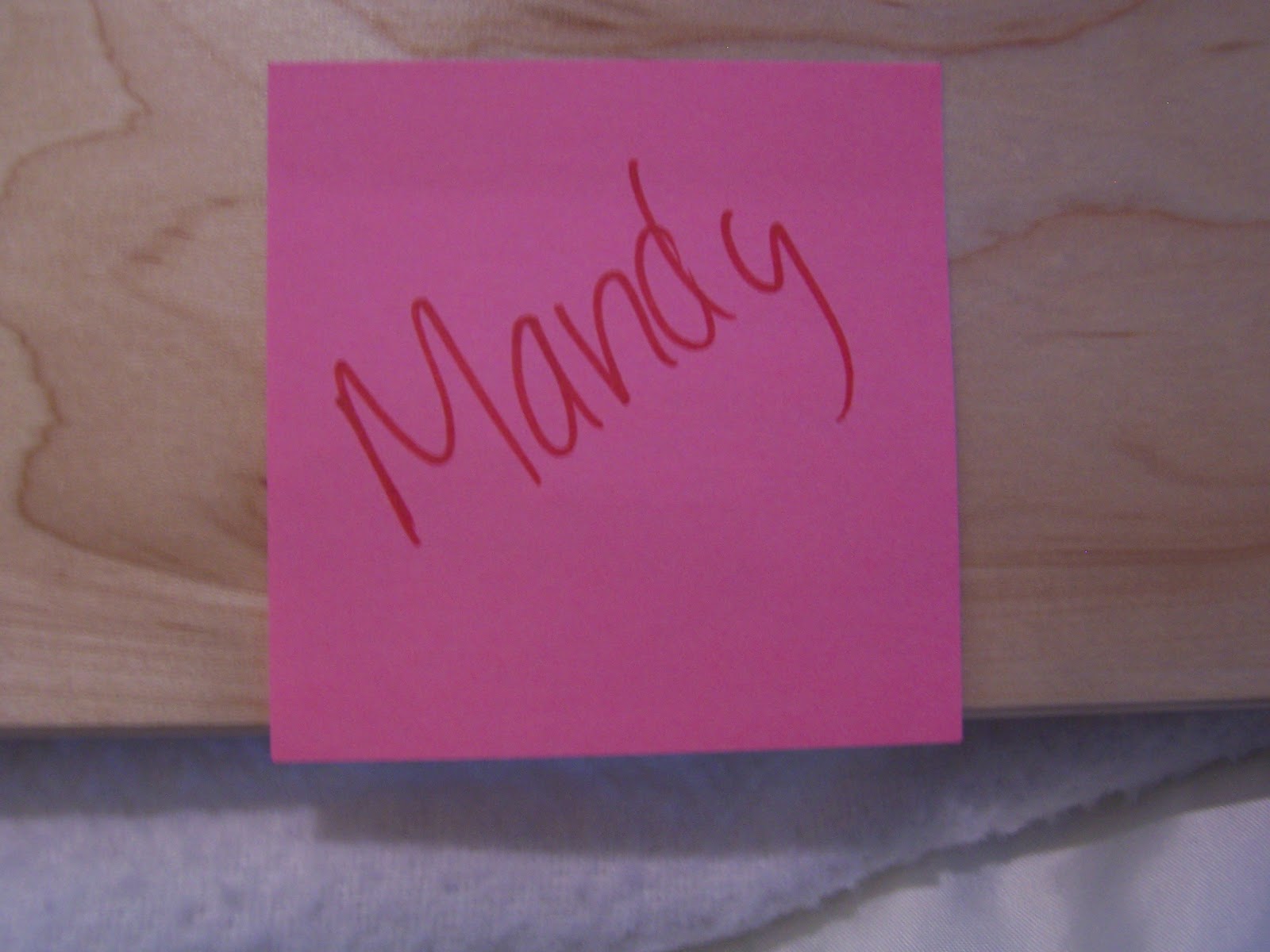
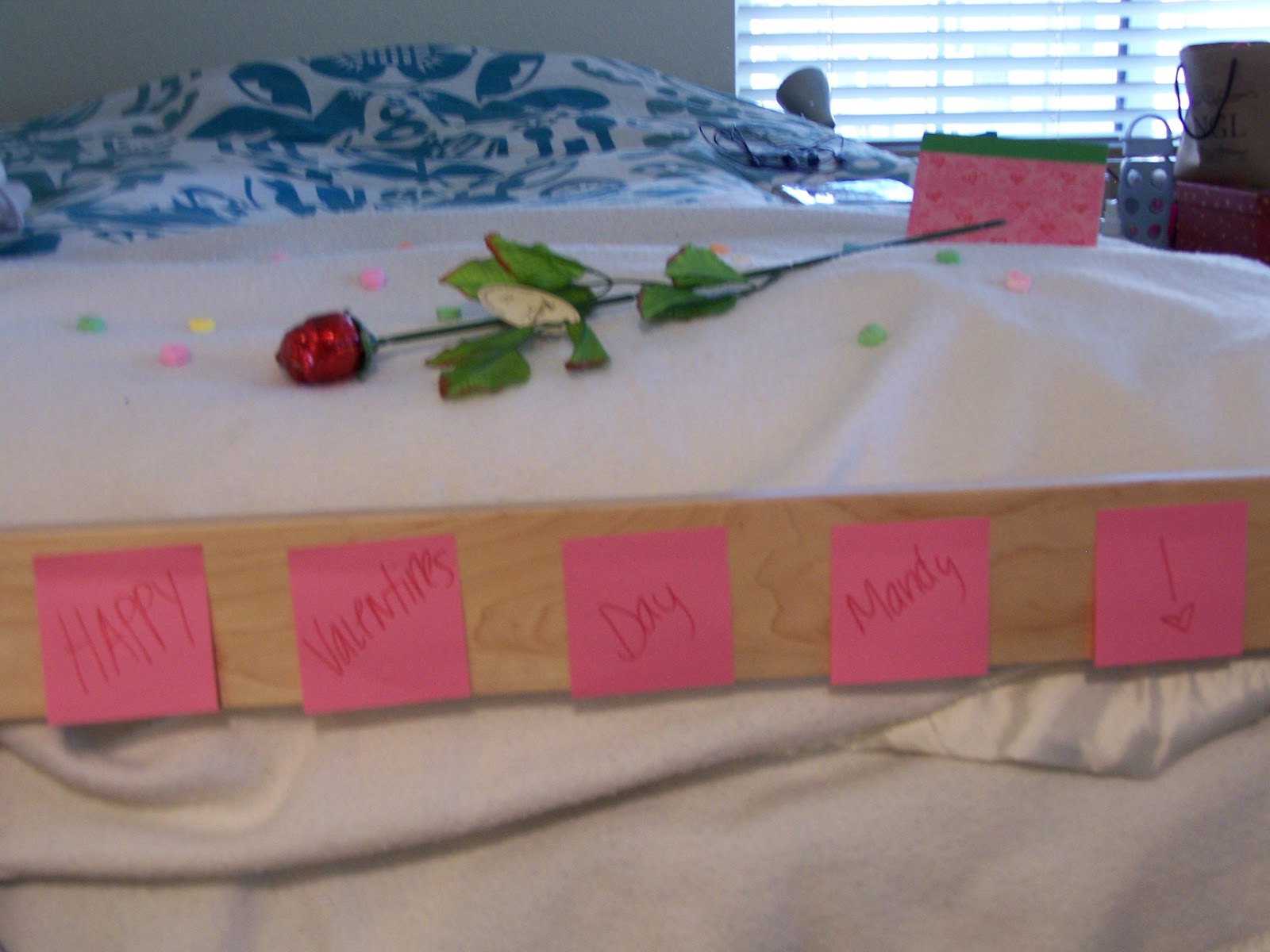
My roommates and I decided to celebrate Valentine’s Day together. I made Meagan (my designated Valentine) a card on a piece of recycled construction paper, but she went all out for me. Meagan and one of my other roommates took sticky notes and led us to their Valentines on our beds. It was by far one of the best Valentine’s I had ever received (or even seen). 


Don’t worry, none of the paper went to waste, I am keeping them : )

Homemade Valentines

Gone are the days where people give homemade cupcakes or cookies and handwritten poems. Now Valentine’s Day is full of candy (especially chocolate) produced unsustainably and under terrible working conditions and store bought cards, stuffed animals, flowers, and trinkets that are either lost or thrown out by the end of the month.


The amount of waste and harm done by Valentine’s Day alone is incredibly depressing. But sending a love note or kind words doesn’t have to be. Instead of going out and buying a card, flowers, or chocolate, why not show the person you love them by making something yourself? 


There are thousands of ideas out there for homemade Valentines, but I have limited the list to sustainable, cheap things you can make last minute (it’s tomorrow if you have forgotten):


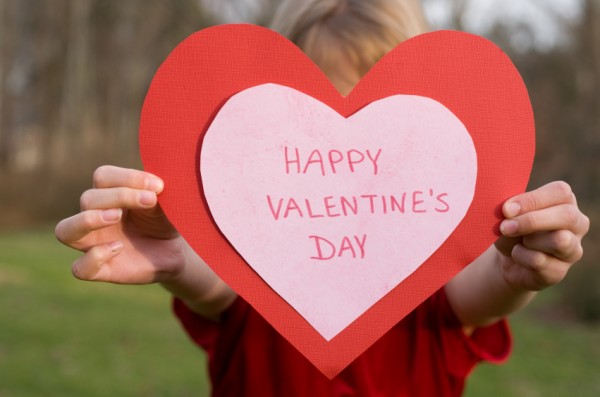
1. A love note: Keep it plain and simple. Handwrite your note on a nice piece of paper (preferably recycled). You can cut it into a heart, but the message is really what counts.

Image courtesy of Real Posh Mom
Image courtesy of Land of Lovings

2. Create an electronic Valentine: If you are great with computer creation tools, then make something incredible and send it or print it for your Valentine. You can make desktop backgrounds, pictures, messages, whatever you would like.


3. Bake! Who doesn’t like a homemade treat?


4. Entertain: if you are able to sing, dance, or play an instrument, why not do so in the name of love (or friendship)?


5. Do something nice: instead of giving someone something, do something nice for them.


6. Music: if you can’t make your own, you can send them a playlist or a few songs that explain how you feel or that remind you of them.


7. Make dinner or some other meal: What really counts is showing that you care, so even if you aren’t the best cook the effort will be appreciated. 


8. Just say it: Valentines are about saying how you really feel. There is no need for a card as long as you say everything you wanted to and you make the recipient feel special.


9. Leave notes: Leave messages or hints on mirrors or on small slips of paper around the house. A dry erase marker will write on mirrors and come off easily. You can leave your loved one little notes all around.


10. Be creative! Don’t be afraid to do something you have never seen before (or copy what you have seen in your favorite movie). Just remember to know your audience and keep in mind what they like. 

Packaging woes

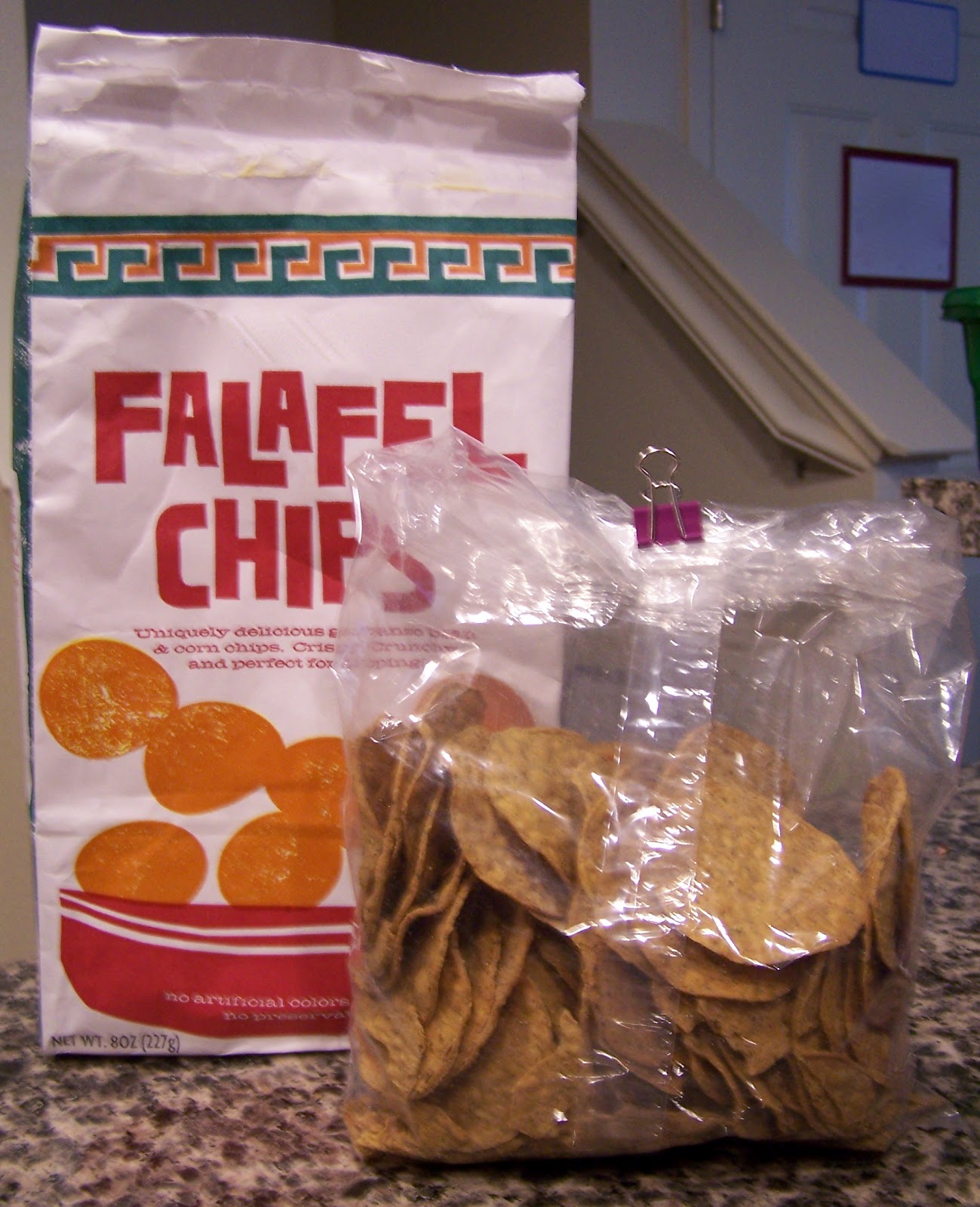
When I grocery shop I often choose what I will buy based on the packaging, and not in the way most people do. I don’t care what color it is or if it has an attractive image on it, instead I choose by what has the least amount of packaging and the most amount of recyclable material.


That is why when I found these chips in a paper bag (completely recyclable) with no plastic in sight I got incredibly excited and decided to buy them. 


But when I brought them home and opened them I found a plastic bag hidden inside. So instead of buying a bag of chips that I could have recycled when I was done eating them, I bought a bag that has twice as much packaging as chips that are only in a plastic bag. They got my hopes up that the store was finally moving towards more sustainable packaging material. Looks like I will be writing a letter to the store asking for sustainable packaging. 

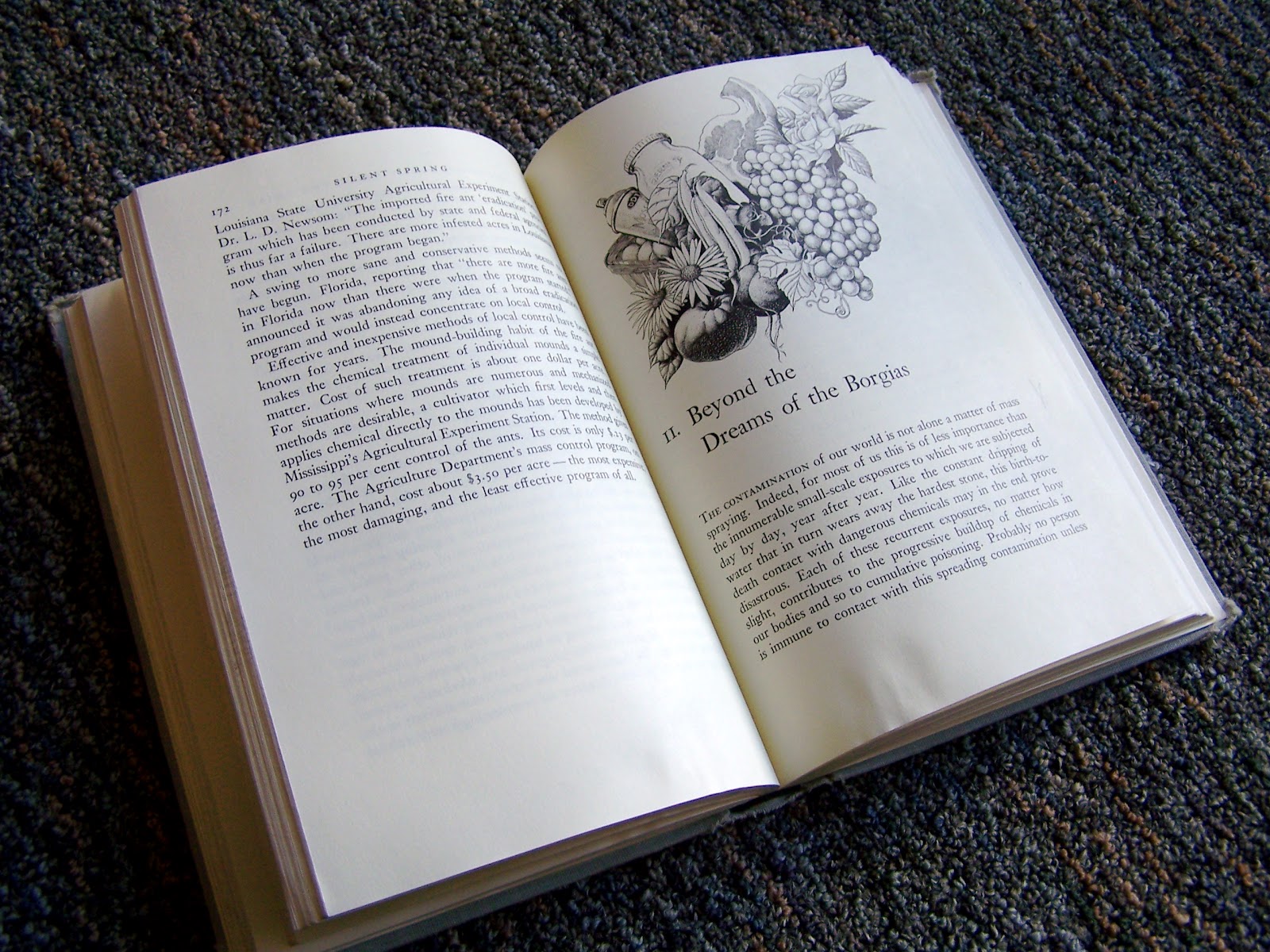
Silent Spring

This right here is why my e-reader will never replace my library. Nothing beats the feel or the smell of an old book. It’s been stepped on 
(based on the wonderful shoe print on the front cover), written in, spilled on, and read by who knows how many other people (It was first stamped back in ’89, which means the first person to read it did so before I was born. I know that’s not that long ago, but it is to me). It has that wonderful musty book smell that makes my heart swoon, before it makes me sneeze.


I got “Silent Spring” from the university library a few weeks ago, even though it had been on my to do list for at least a year. Every environmental studies class always come back to Rachel Carson and the role she played in starting the environmental movement. It seemed like one of those books you just have to read.

Even though she wrote about pesticide use that was happening 50 years ago, her writing and criticism were still incredibly relevant today. Although her examples were outdated and we may no longer spray everything from plants to our children with DDT, her criticism of our lack of caution with chemicals still rings true. 


“Silent Spring” is one of those books that will always be relevant in modern society in one way or another. Even though this is not a book I would ever say everyone should read, if you are interested in pesticides, the organic farming movement, or the history of the environmental movement, I would highly recommend her book. For everyone else, I highly recommend finding an old book on something you are interested in. Not only will you gain a new perspective on something you thought you knew well, you will have the pleasure of reading an old, well-loved book.